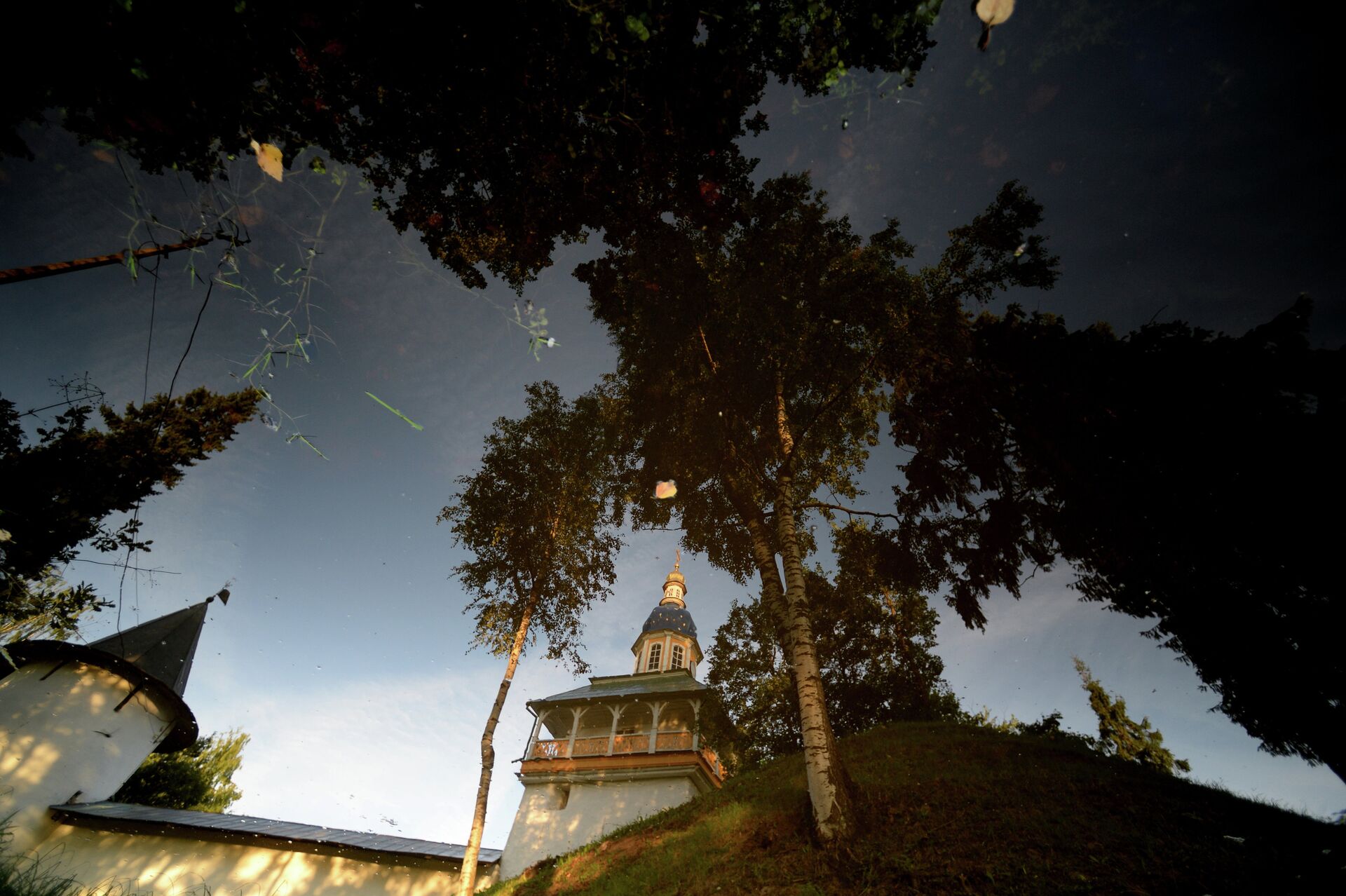
The Pskov Region is often compared to an open-air museum. Throughout the ages, the region’s towns and villages have preserved the unique heritage of Russia’s turbulent history.
The Pskov Region is often compared to an open-air museum. Throughout the ages, the region’s towns and villages have preserved the unique heritage of Russia’s turbulent history.
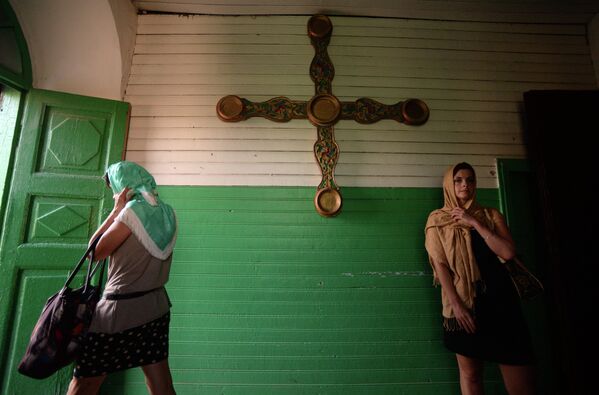
The St. Nicholas Cathedral in the village of Stary Izborsk was first mentioned in the chronicles of 1341. The cathedral personified the village and became its symbol.
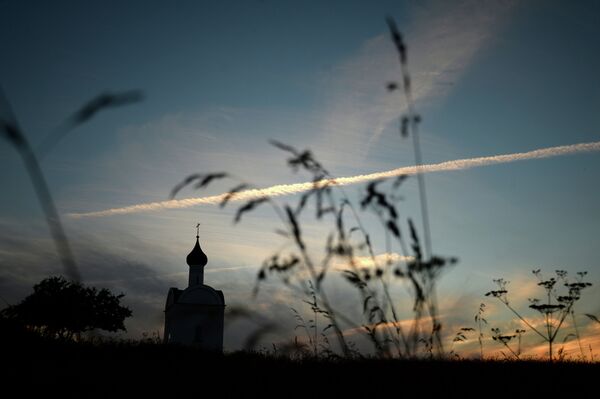
Five hundred meters from Stary Izborsk is the Holy Hill monument, erected several years ago, where steps carved into the hill lead up to a cross.
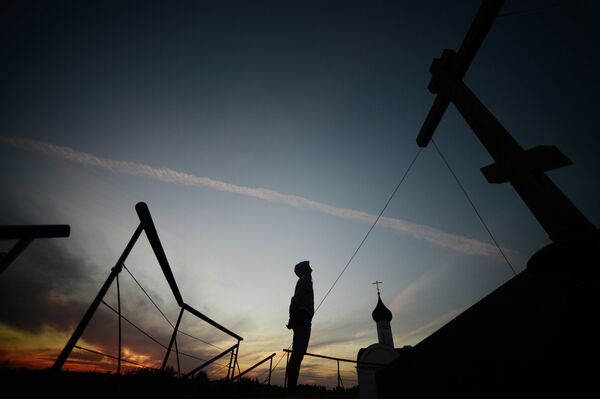
The cross, made from a special breed of larch, is eight meters tall and is located on the very top of the hill.
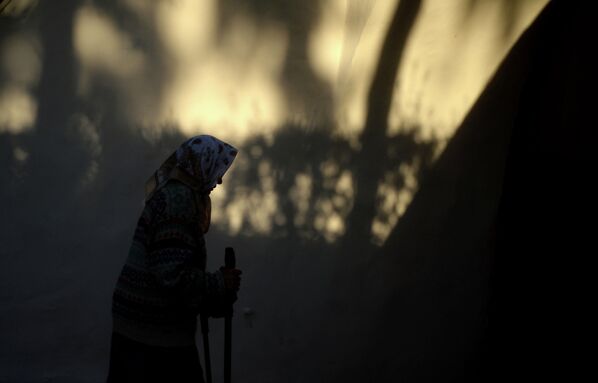
On the granite sections supporting the cross, it is written: “The hill was erected by the guardians of the Pskov territory.”
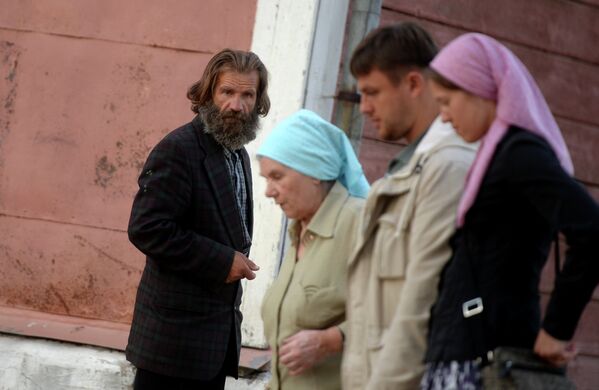
The idea behind the building of the Holy Hill was to unite land from different eras in one place.

The earth for the artificial hill was brought from various historic sites in the region, including the Pushkin Hills, Pskov-Pechora Monastery, Zalita Island, the city of Pskov and the village of Kobylye Gorodishche.
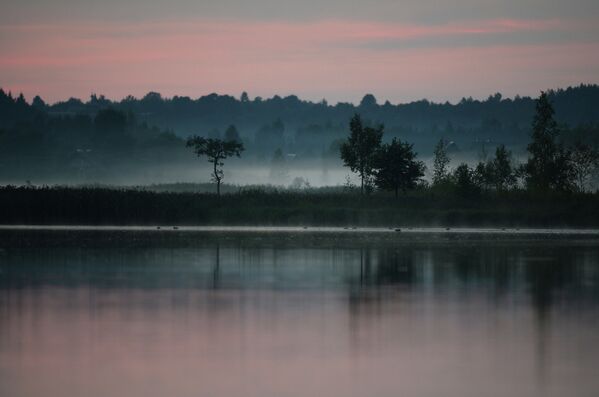
Stary Izborsk is one of the oldest villages in the Pskov Region. It is situated 30 kilometers west of Pskov, on the shore of Lake Gorodishchenskoye. The population is currently 3,892 people, according to this year’s statistics.
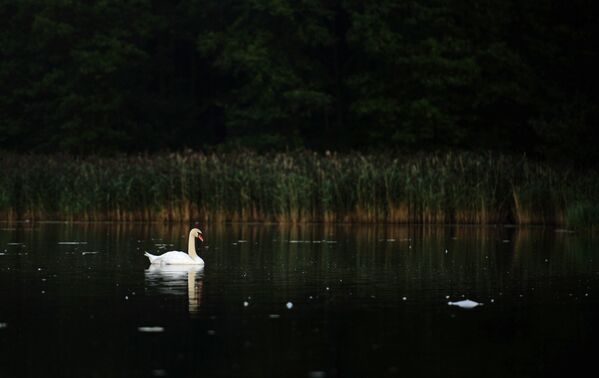
The pond in Stary Izborsk in the Pskov Region.

Not far from the Izborsk Fortress, on the shore of Gorodishchenskoye Lake, are the Slovensky Springs, also known as the Twelve Apostles’ Springs.
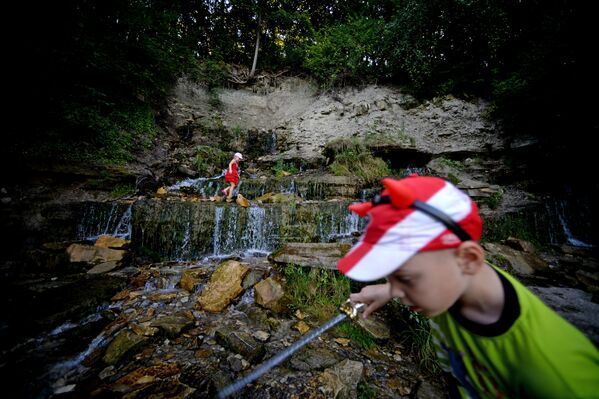
The springs are at least 1,000 years old.
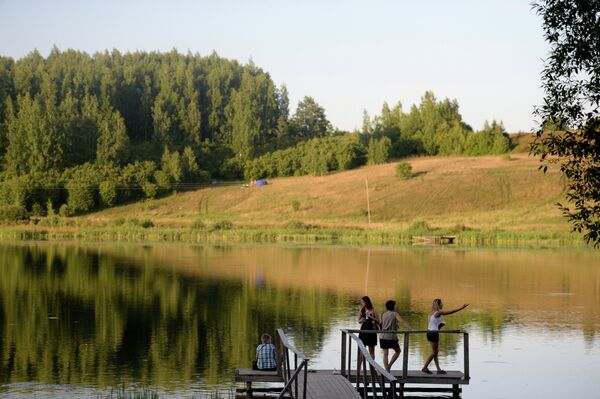
The Izborsk hills are a popular spot for flying aircraft in and holding paragliding competitions.
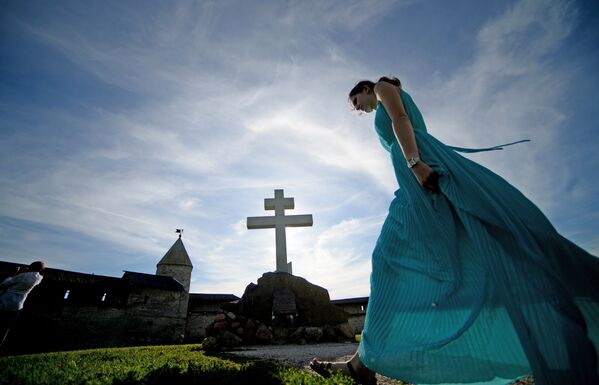
The Pskov Kremlin, also known as the Krom, is the historical and architectural center of Pskov and the core of the Pskov Fortress. The Kremlin is home to Veche Square, the Holy Trinity Cathedral and the Bell Tower of the Cathedral.